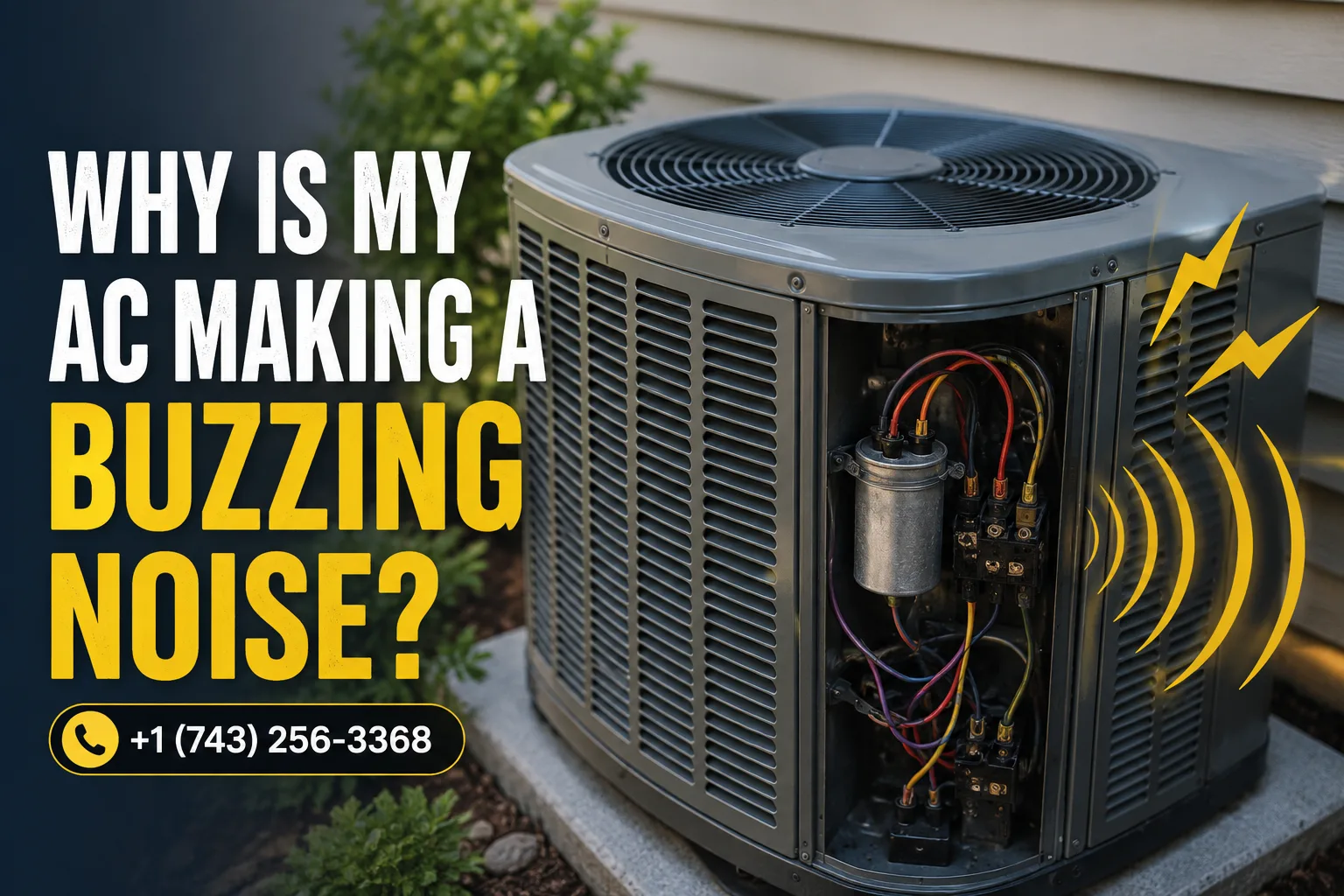

A buzzing noise coming from your air conditioner is never something you should ignore. While some HVAC systems naturally make light operational sounds, a persistent buzzing noise can indicate an electrical issue, loose component, airflow problem, or failing AC part.
In many cases, the problem starts small but can become more serious if left unresolved. Understanding the possible causes behind a buzzing air conditioner can help you determine whether the issue requires immediate attention or a routine repair.
If your cooling system is making unusual noises and not performing properly, scheduling professional AC repair in High Point NC can help prevent further damage and restore system efficiency.
Common Reasons Your AC Is Making a Buzzing Noise
Several issues can cause an air conditioner to produce a buzzing sound. Some are minor, while others may involve electrical components or mechanical failures.
Loose Parts or Components
Over time, vibrations from normal AC operation can loosen screws, panels, or internal components. When parts become loose, the system may begin producing a buzzing or rattling sound during operation.
This is one of the more common causes of unusual AC noises, especially in older systems.
Electrical Problems
Buzzing sounds are sometimes linked to electrical issues inside the HVAC system. Damaged wiring, failing contactors, loose electrical connections, or a malfunctioning capacitor may all create buzzing noises.
Electrical problems should always be handled carefully, as they can affect system safety and performance.
Dirty Condenser Coil
Outdoor condenser coils help release heat from your AC system. When dirt and debris accumulate on the coil, airflow becomes restricted and the unit may begin working harder than normal.
This extra strain can sometimes create unusual buzzing sounds while the system runs.
Refrigerant Issues
Low refrigerant levels or refrigerant leaks may also contribute to buzzing noises in certain air conditioning systems. Refrigerant problems often reduce cooling performance and can eventually damage other system components.
If your AC is buzzing while also struggling to cool your home, refrigerant issues may be part of the problem.
Related reading: Why Is My AC Running But Not Cooling?
Failing Compressor
The compressor is one of the most important components in an air conditioning system. A failing compressor may create loud buzzing, humming, or vibrating noises before it stops working completely.
Compressor problems often require professional diagnosis and repair.
Related reading: Signs Your AC Compressor Is Failing
Fan Motor Problems
If the indoor blower fan or outdoor condenser fan becomes damaged or obstructed, the system may begin making buzzing noises during operation.
Bent blades, motor wear, or debris buildup around the fan assembly can all contribute to unusual sounds.
Is a Buzzing AC Dangerous?
Not every buzzing noise indicates a serious emergency, but it should not be ignored. Some causes are minor, while others may involve electrical components or failing parts that can worsen over time.
You should consider professional inspection if:
- The buzzing noise becomes louder
- Your AC is no longer cooling properly
- The unit cycles on and off frequently
- You notice burning smells
- The outdoor unit vibrates excessively
- Energy bills suddenly increase
Addressing the issue early may help prevent larger repairs later.
What You Can Check Before Calling for AC Repair
There are a few basic things homeowners can safely inspect before scheduling service.
Check the Air Filter
A clogged air filter can restrict airflow and place additional stress on the HVAC system. Replacing dirty filters regularly helps improve airflow and system efficiency.
Related reading: How Often Should You Change Air Filters?
Inspect the Outdoor Unit
Leaves, debris, or vegetation around the outdoor condenser unit may contribute to airflow issues and unusual sounds. Keeping the area clear can help the system operate more efficiently.
Listen for Changes in the Noise
Try to identify whether the buzzing occurs:
- constantly
- during startup
- while cooling
- when shutting off
This information may help technicians diagnose the problem more quickly.
When to Schedule Professional AC Repair
If the buzzing noise continues or your system is no longer cooling properly, professional inspection is recommended. HVAC systems contain electrical components and refrigerant systems that require proper tools and training to diagnose safely.
Professional repairs can help identify the source of the noise, prevent further system damage, and restore proper cooling performance.
If you are experiencing unusual AC noises or cooling problems, our team provides reliable air conditioning repair services in High Point NC for residential cooling systems.
Frequently Asked Questions
Why is my AC making a buzzing noise but still working?
Your system may still operate while experiencing loose parts, electrical issues, or airflow restrictions. However, the problem can worsen over time if ignored.
Can a dirty air filter cause buzzing noises?
A dirty air filter can restrict airflow and place additional stress on the system, which may contribute to unusual operating sounds.
Is a buzzing AC unit an emergency?
Not always, but buzzing noises related to electrical components or compressor problems should be inspected as soon as possible.
Can low refrigerant cause buzzing sounds?
Yes, refrigerant issues can sometimes contribute to buzzing noises and reduced cooling performance.
Why is my outdoor AC unit buzzing?
Outdoor units may buzz due to condenser fan problems, electrical issues, debris buildup, or compressor failure.
Should I turn off my AC if it is buzzing?
If the system is making loud noises, struggling to cool, or producing burning smells, turning it off and scheduling inspection is recommended.
Can electrical problems cause AC buzzing?
Yes, failing capacitors, loose wiring, or damaged electrical components are common causes of buzzing air conditioners.
What does a failing AC compressor sound like?
A failing compressor may create buzzing, humming, rattling, or vibrating sounds during operation.
How do I know if my AC needs repair?
Signs include unusual noises, poor cooling performance, short cycling, leaking water, or rising energy bills.
Who should I call for AC repair in High Point NC?
A licensed HVAC professional can inspect the system, identify the issue, and recommend the appropriate repair solution.